


As the world becomes more aware of environmental issues, the concept of sustainable fashion emerges as a necessity. This practice goes beyond choosing eco-friendly alternatives; it is about assembling a wardrobe that reflects our values and respects the planet.
Eco-Chic Revolution: The Essence and Impact of Sustainable Fashion
Sustainable fashion refers to clothing that is designed, manufactured, distributed, and used in ways that are environmentally friendly and conscious of social impact. This involves more than simply using organic cotton or recycled materials; it embraces a holistic approach that considers the entire lifecycle of an item.
Sustainable fashion emerges as a crucial response to the environmental harms inflicted by the industry. Conventional production heavily depletes water resources, releases hazardous chemicals into rivers, and accumulates textile waste. It also generates a substantial carbon footprint due to international shipping. Additionally, the fast fashion model fosters substandard workplace conditions and exploitative labour practices. Conversely, eco-conscious apparel offers an effective countermeasure. This approach emphasizes waste minimization through textile reuse and upcycling. It relies on natural or sustainable fabric techniques that conserve water and reduce chemical use. By favouring durable over disposable designs, it significantly lessens ecological damage, conserves natural habitats, and minimizes carbon emissions.
Sustainable fashion involves more than just materials. It includes fair labour standards and safe working conditions for everyone in the supply chain. When consumers select sustainable clothes, they promote change across the industry. They support operations that uphold moral principles. By embracing sustainable fashion principles, individuals can actively encourage ecological practices. This practice also helps to sustain society as well as the natural world.
Fashion with a Conscience: Building an Eco-Friendly Wardrobe:
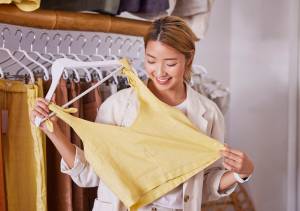
Creating an eco-friendly wardrobe signifies a dedication to sustainable choices that are in harmony with one’s unique style and ethical standards. First and foremost, it is essential to acquire knowledge regarding the selection of superior, eco-friendly materials. Currently, organic cotton, bamboo, hemp, and recycled textiles are gaining recognition due to their relatively small ecological impact. These substances necessitate less water for production, are commonly cultivated without the use of detrimental pesticides, and impose a gentler effect on the planet. The high quality of these materials ensures their durability, thereby diminishing the frequency of replacing items that have worn out. Besides, image consultants, these days, often assert that eco-friendly materials possess the same level of luxury and style as traditional fabrics.
Supporting ethical fashion brands is another key step in building an eco-friendly wardrobe. Ethical brands are transparent about their manufacturing processes, ensure fair labour practices, and actively contribute to environmental sustainability. When you support these brands, you become part of the solution. A personal style consultant can help you discover ethical brands that align with your style preferences.
An image consultant always advises that one’s wardrobe should reflect their persona. Adopting eco-conscious habits within one’s fashion selections does not entail a compromise in style; rather, it enhances it with deliberate and meaningful choices. A personal style consultant assists in choosing ensembles that are not only aesthetically pleasing but also embody sustainable principles.
From Old to Bold: Upcycling Your Way to a Unique Wardrobe
Repurposing garments is not only an environmentally conscious decision but also serves as an engaging and inventive method to refresh one’s wardrobe. Image consultants and personal style consultants, these days, acknowledge that fashion can simultaneously embody elegance and sustainability. Besides, personal grooming courses in Singapore now integrate lessons on upcycling into their curricula. Upcycling revitalizes former wardrobe favourites by adapting them to align with current trends. An image consultant might recommend repurposing a rarely worn dress into a trendy blouse and skirt ensemble or suggest new accessories to modernize an old sheer scarf.
By upcycling, individuals can create a wardrobe that resonates with their unique identities—something personal style consultants emphasize heavily. They guide clients through selecting items that hold potential for transformation and pair them in ways that showcase the wearer’s personality. Personal grooming courses in Singapore are increasingly spotlighting these sustainable practices, teaching participants how to strategically choose garments that will stand the test of time both in quality and style. The knowledge imparted enables students to make environmentally conscious decisions while honing their fashion sense.
Here are some ideas and tips to repurpose outdated clothing:
- Repurpose old t-shirts by slicing them into yarn to knit or crochet rugs, tote bags, or pot holders.
- Revitalize worn jeans by fashioning them into chic shorts, or repurpose the material to craft bags, aprons, or quilt patches.
- Convert button-up shirts into removable pillow covers, utilizing the buttons for a built-in closure mechanism.
- Enhance your curtains, tablecloths, or simple tees by adding lace trimmings from unused garments.
- Assemble a distinctive scarf by sewing together scraps of fabric for a boho-chic flair.
- Craft new jewellery by repurposing beads from old accessories or transform small fabric remnants into textile brooches or hair ties.
- Transform an outdated dress into a contemporary skirt by detaching the upper section and affixing a fresh waistband.
Summary:
Sustainable fashion considers the environmental and social impact of clothing throughout its lifecycle. It aims to minimize textile waste, improve water conservation, and reduce the release of hazardous chemicals. This approach also addresses the carbon footprint and labour practices associated with conventional fashion production.